SolarFutures 2026: Next-Gen Solar India
Powering a Future-Ready Solar India
Organised by
Sustainability Karma with Technical Support of
National Institute of Solar
Energy
Date: 3 July 2026 | Venue: India Habitat Centre, New Delhi

Organiser
Sustainability Karma

Technical Partner
National Institute of Solar Energy

Hospitality Partner
India Habitat Centre
Messages

"I congratulate SolarFutures 2026 and Sustainability Karma. This is the right forum for showcasing India's experience to the rest of the world. We look forward to joining you and wishing you all the best."
Ashish Khanna, DG, International Solar Alliance

"SolarFutures 2026 by Sustainability Karma is an appreciable initiative. I am sure it will be a useful programme and it will contribute to our onwards journey towards solarisation and achieving net zero targets."
Dr Mohammad Rihan, DG, National Institute of Solar Energy

"I believe that Sustainability Karma's SolarFutures 2026 is like an indicator of how we will pursue our targets and goals in a manner that is both timely and technologically beneficial for our country."
Dr Ajay Mathur, Former DG, International Solar Alliance
Speakers
The conference will feature a diverse group of speakers from government, industry, academia and the development sector, fostering the exchange of policy perspectives, technical expertise and innovative ideas. Contributions from industry leaders, technical experts and representatives of sectoral and industry bodies will enrich the discussions. The academic community will be strongly represented by leading scholars, researchers, and experts from research institutions and agricultural universities.
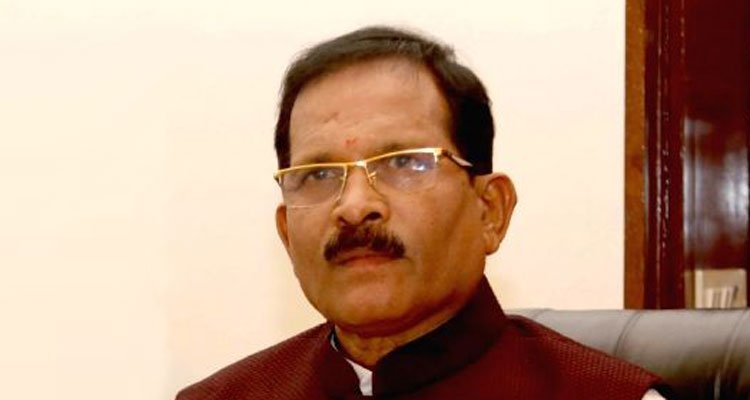
Shripad Yesso Naik*
Union Minister of State for Power and New & Renewable Energy
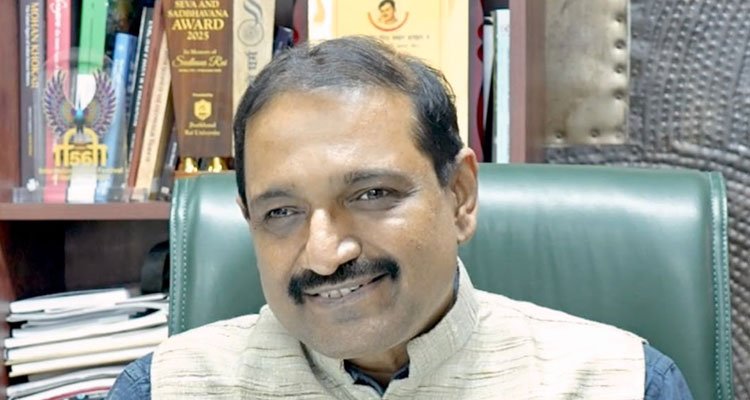
Prof (Dr) K G Suresh
Director
India Habitat Centre
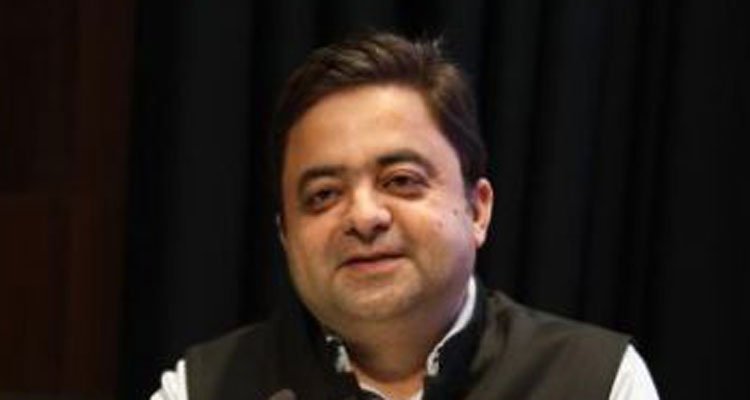
Dr Mohammad Rihan
Director General
National Institute of Solar Energy
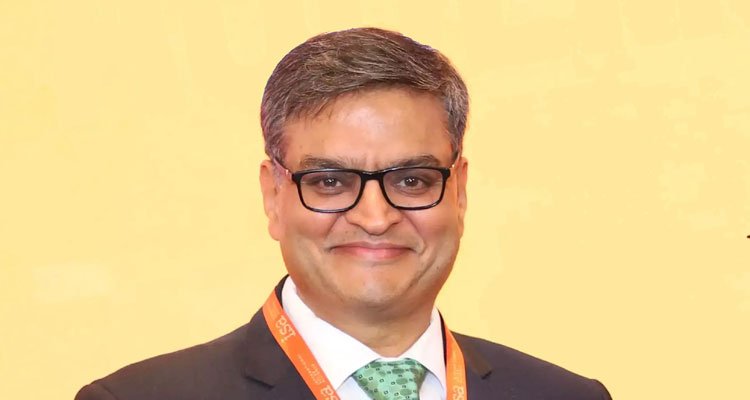
Ashish Khanna
Director General
International Solar Alliance

Vinay Thadani
Director & CEO
GREW Solar

Pratyush Thakur
Country Head (India)
Blueleaf Energy
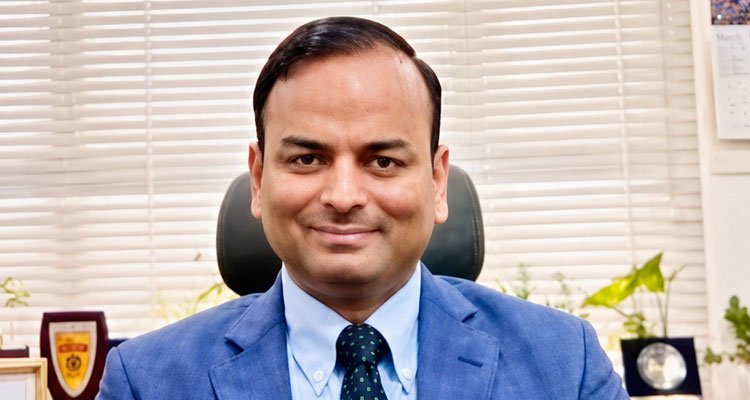
Abhishek Ranjan
CEO
BSES Rajdhani Power Limited

Anshul Khandelwal
Chief Executive Officer
RPSG Solvanta

Hardip Singh
Chief Operating Officer
Grew Solar

Amit Manohar
Secretary General
Indian Solar Manufacturers Association
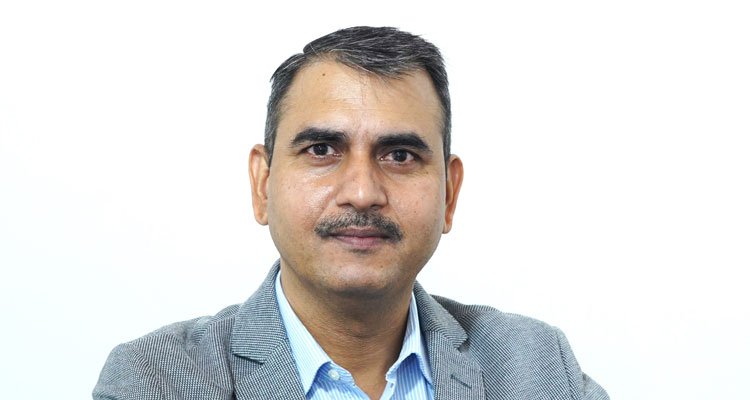
Somnath Yogi
Head, Business Development
First Solar India
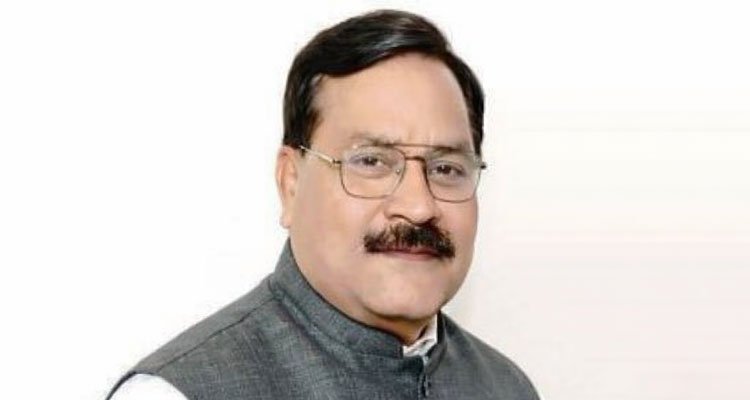
Prof Indra Mani
Vice Chancellor
Vasantrao Naik Marathwada Krishi Vidyapeeth
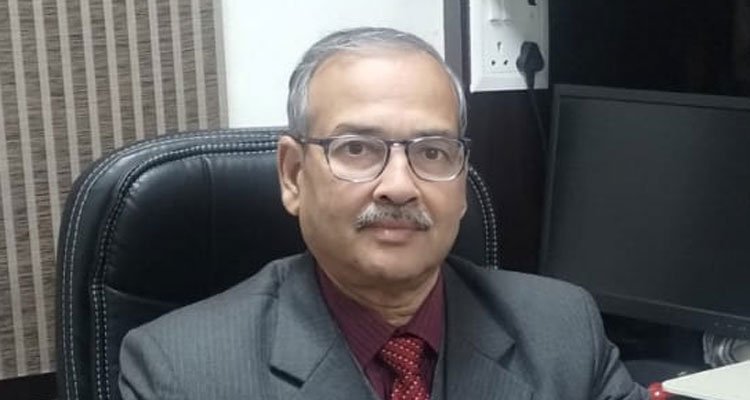
D K Singh
Former Principal Scientist & AgriPv Expert

Abhishek Shastri
Energy Adviser
GIZ India
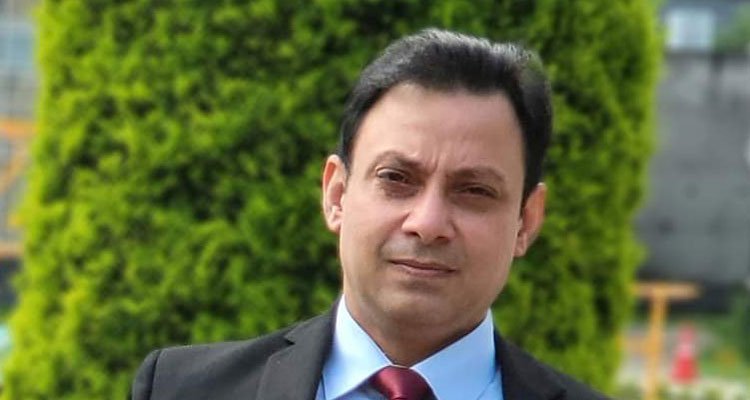
Arpit Sharma
Chief Executive Officer
Skill Council for Green Jobs

Vikrant Yadav
Deputy Director
National Institute of Solar Energy
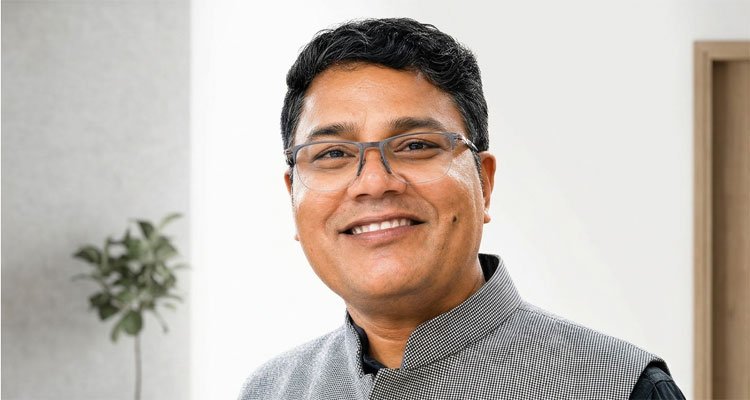
Dr Piyush Choudhary
General Manager
ONGC Green
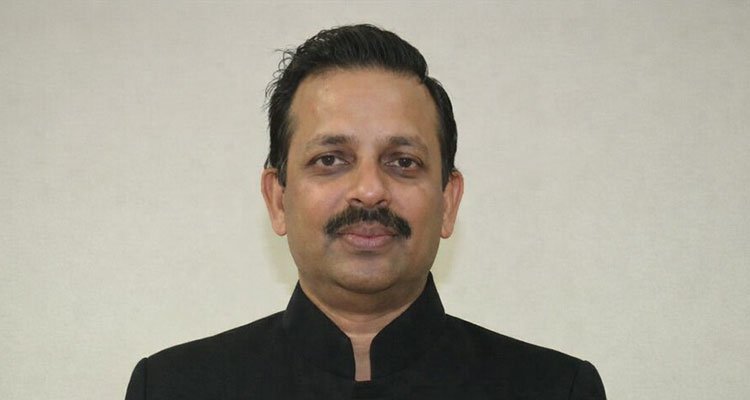
Rajesh Sharan Satyarthi
Director
Marichin Technologies

Sooraj Kumar
Chief Executive Officer
P3C Technology and Solutions

Prof (Dr) Rihan Khan Suri
Director, Centre for Innovation and Entrepreneurship, Jamia Millia Islamia
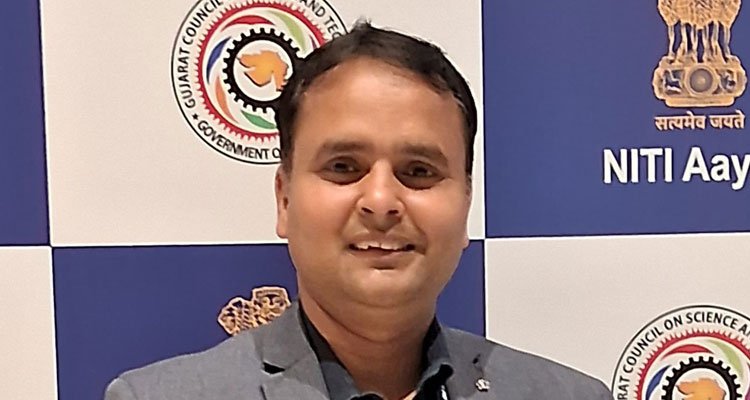
Alok Pandey
Chief Executive Officer
Atal Incubation Centre (AIC), IIT Delhi

Ishan Kapoor
CEO
Infutrix Technologies
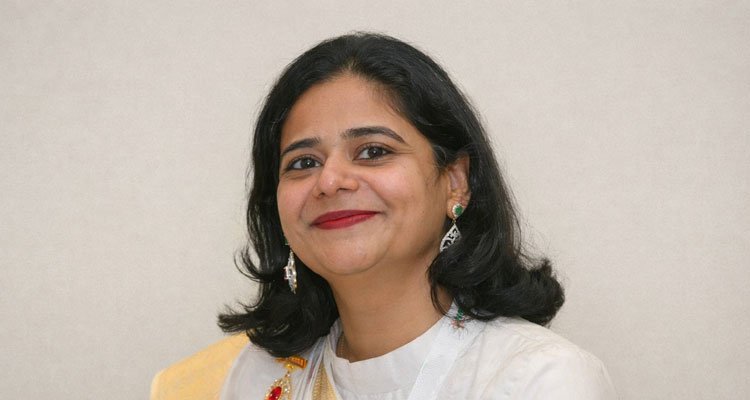
Dr Rashi Gupta
Founder & Managing Director
Vision Mechatronics

Tanya Singhal
VP & Country Head, India
Global Energy Alliance for People and Planet
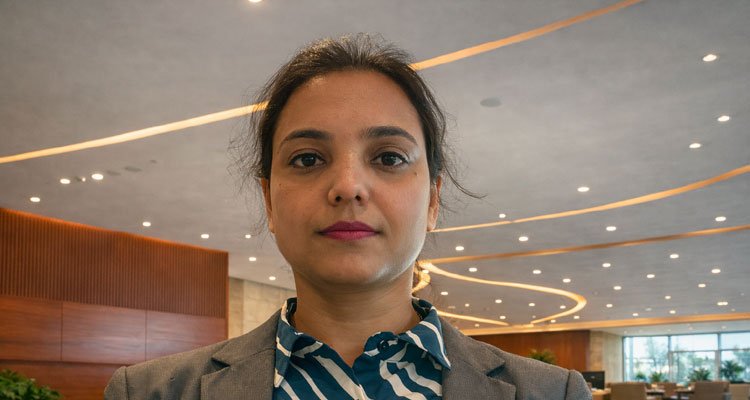
Dr Shivi Jindal
Head - Agrivoltaics
Sunmaster
* Invited
About the Event
SolarFutures 2026 will focus on advancing India’s transition to a clean, resilient and self-reliant solar ecosystem, while spotlighting its evolution from domestic market to a global player. It will highlight efforts to strengthen domestic manufacturing, expand solar adoption, foster innovation and build a skilled workforce. The conference will also underscore India's growing leadership in the global solar landscape, while promoting inclusive participation to ensure a broad-based energy transition, with a special focus on women in the solar industry.
Agenda
Apart from the inaugural plenary session, the technical sessions will focus on strengthening India's solar ecosystem through discussions on atmanirbharta in solar PV manufacturing, solarisation initiatives such as PM Surya Ghar, PM-KUSUM, rooftop solar and agri-PV and the role of skilled youth in sustaining growth. Sessions will also highlight innovation and R&D, India's leadership in global solar expansion, and the growing contribution of women in the solar sector.
Share Your Story
Get Featured – Coffee Table Book | SolarFutures 2026 | All India Radio
Companies and end-users across India's solar value chain are invited to submit case studies, good practices and success stories showcasing their contributions to the country's solar ecosystem. Eligible participants include government agencies, developers, manufacturers, EPC firms, technology providers, financiers, start-ups and service providers, along with solar energy users and asset owners from residential, commercial, industrial, agricultural, infrastructure, mobility and clean-energy sectors. Submitted stories will get published in a Coffee-Table Book on Solar Energy Leaders by Sustainability Karma. Profiles of Founders or CEOs or MDs of companies submitting their stories will be also featured on the Sustainability Karma website.
Delegate Registration
Limited seats available. Registration on first-come, first-served basis.
The conference will bring together a distinguished group of speakers and delegates from government, industry, academia and the development sector. Participants will include policymakers, renewable energy experts, industry leaders, investors and representatives from state renewable energy agencies. Bilateral and international development organisations, multilateral institutions including United Nations agencies, and diplomatic representatives will also participate. The academic community will be strongly represented by leading scholars, research institutions and agricultural universities.
About Us
SolarFutures 2026 is being organised by Sustainability Karma with technical support of National Institute of Solar Energy. While Sustainability Karma is a New Delhi–based consultancy specialising in sustainability knowledge management and communication outreach and is widely recognised in India and internationally for its podcast on All India Radio, the National Institute of Solar Energy (NISE) is an autonomous specialised institute under the Ministry of New and Renewable Energy (MNRE), Government of India, mandated for research and development, solar component testing and certification, capacity building and development of solar products and applications.
Solar Insights
Key stakeholders, industry leaders, policymakers and academics play a crucial role in shaping discussions around the latest developments in a similar industry. Through opinion pieces, they share valuable insights, expert analysis and diverse perspectives on emerging trends, challenges and opportunities. Policymakers provide guidance on governance and future policies, while academics contribute research-based viewpoints. Industry experts highlight practical implications and business strategies. Together, their opinions encourage informed discussions, support innovation and help organisations and individuals make better decisions in a rapidly evolving industrial landscape.




Sustainability Karma on All India Radio
Dr Mohammad Rihan (National Institute of Solar Energy)
Ashish Khanna (International Solar Alliance)
Dr Ajay Mathur (School of Public Policy, IIT Delhi)
Sumant Sinha (ReNew)
Bikesh Ogra (Jakson Green)
Kuldeep Jain (CleanMax)
Pratyush Thakur (Blueleaf Energy)
Erik Solheim (Global Solar Council)
Get Involved
If you have any queries or would like to get involved as a Sponsor, Speaker, Delegate, or Volunteer, we’d love to hear from you. You can also connect with us to share your story, feature on the Sustainability Karma Podcast on All India Radio, be featured in a book by an international publisher, or discuss any other collaboration opportunities.
Sponsors
Gold

Silver

Associate

Partners
Technical Partner

National Institute of Solar Energy
National Institute of Solar Energy
Media Partner
Sustainability Karma Podcast
on
All India Radio
Sustainability Karma Podcast
on
All India Radio

SECI

NSEFI

Indian Solar Manufacturers Association

Skill Council for Green Jobs

Atal Incubation Centre (AIC), IIT Delhi
Youth Skills Partner

Voices of Bharat:
Yuva for Sustainability
Voices of Bharat:
Yuva for Sustainability
Hospitality Partner
India Habitat Centre
India Habitat Centre
NGO Partners