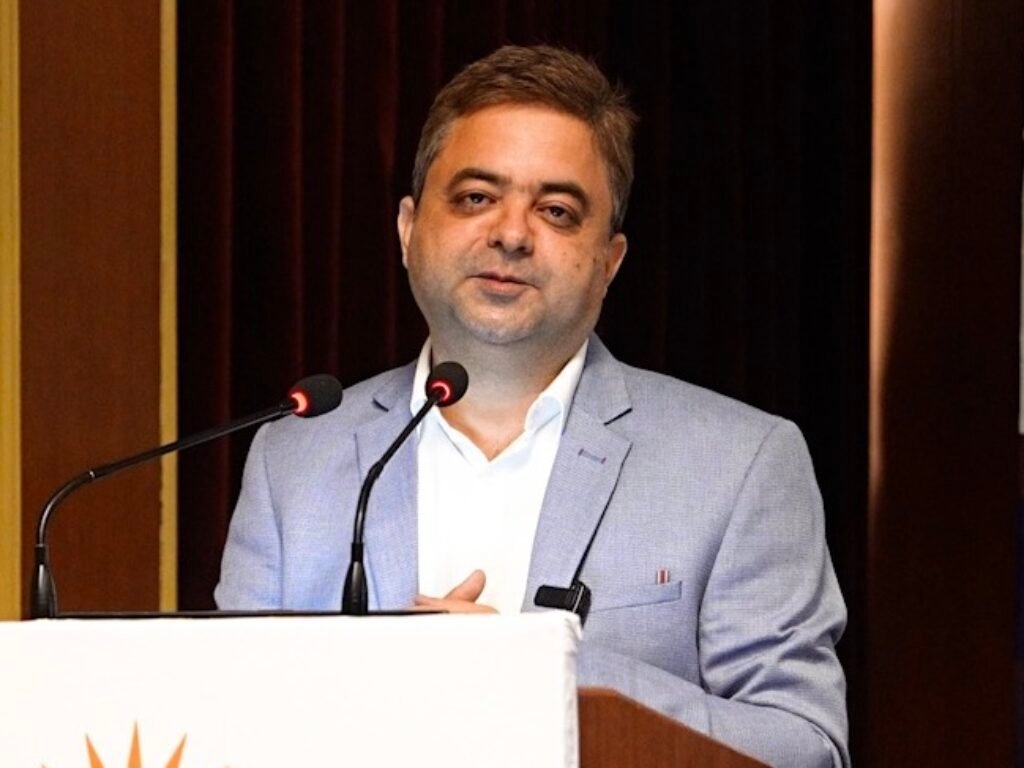
India has built a strong foundation for renewable energy growth, but achieving its long-term solar ambitions will depend on making electricity grids more flexible, strengthening demand-side management and improving renewable energy forecasting, according to Dr Mohammad Rihan, Director General of the National Institute of Solar Energy (NISE).
Delivering the special address at SolarFutures 2026: Next-Gen Solar India, he said the country’s next phase of development should focus on integrating renewable energy more efficiently while maintaining momentum towards its 2030 and longer-term clean energy goals.
The conference, organised by Sustainability Karma in technical partnership with NISE in New Delhi, was themed “Powering a Future-Ready Solar India: From Local Innovation to Global Leadership.” Bringing together policymakers, industry leaders and renewable energy experts, the event focused on the technologies, policies and market reforms needed to shape India’s evolving solar ecosystem.
Opening his address, Dr Rihan reflected on India’s growing role in the global renewable energy landscape while drawing attention to the urgency of climate action. Referring to the ongoing heat wave in Europe and its human impact, he said rising global temperatures underscore the need to accelerate the transition from conventional energy sources to clean electricity. He argued that the shift must extend beyond the power sector to transportation and other major areas of energy consumption. According to him, India’s renewable energy transformation has been driven by strong political commitment, consistent government policies, sustained industry growth and continuous innovation supported by government institutions and flagship solar programmes. He noted that more than 40 lakh households have already benefited from these initiatives and said India remains well positioned to achieve its 2030 renewable energy targets.
Looking beyond 2030, Dr Rihan outlined a three-phase development roadmap extending to 2040 and beyond. The strategy begins with consolidating the foundations required to achieve current national targets, followed by scaling renewable energy deployment and infrastructure expansion, before focusing on continued strengthening of the national power grid to support sustained growth in clean electricity generation. He described the conference as an opportunity to identify practical pathways for maintaining the momentum of India’s solar transition.
A significant portion of his address focused on five priorities that he believes will determine the success of India’s future renewable energy system. He called for greater flexibility in the electricity grid, including strengthening thermal power plants to better complement renewable generation. He also advocated more aggressive demand-side management to encourage electricity consumption during daylight hours when solar generation is at its peak, reducing pressure during evening demand peaks. Public awareness, he noted, would play an important role in changing consumption patterns.
Dr Rihan further stressed the need for continued investment in energy storage technologies while cautioning against viewing storage as a universal solution. Better system planning, he argued, can reduce unnecessary dependence on batteries. He also highlighted the role of smart inverters, which can provide both active and reactive power support, thereby reducing storage requirements.
Improving forecasting accuracy for both solar and wind resources across larger geographical areas, strengthening the national transmission network and reforming electricity market mechanisms were among the additional measures he identified as essential for integrating higher shares of renewable energy into the grid.
Concluding his address, Dr Rihan presented India’s solar transition as one that now requires equal emphasis on technology, infrastructure and system optimisation. His roadmap reflected the conference theme—Powering a Future-Ready Solar India: From Local Innovation to Global Leadership—by highlighting hat sustained leadership in renewable energy will depend not only on expanding capacity but also on building a smarter, more flexible and resilient electricity ecosystem.