As the world convenes for COP30 in Belém, the climate conversation is entering a decisive phase. A decade after the Paris Agreement, the focus must now unapologetically shift from commitments to measurable, verifiable action. The transition from pledges to progress demands that industries, governments, and financial systems demonstrate quantifiable impact, especially across sectors like the built environment, which accounts for nearly 40% of global carbon emissions and over 30% of resource consumption.
Our hope from COP30 is clear: credible pathways, transparent accounting, and mechanisms that enable all nations to move from isolated efforts to integrated systems of climate accountability must be put forward and acted upon.
From Reduction Targets to Lifecycle Impact
The most significant evolution we can hope for from COP30 is a stronger emphasis on lifecycle carbon management. It is no longer enough to focus on operational energy efficiency. The embodied carbon embedded in construction materials, logistics, and demolition must be addressed with the same urgency as Scope 1 and 2 emissions. This means expanding the conversation beyond buildings to include full value-chain impacts – from design and procurement to operation and reuse.
Global regulators and financial institutions are increasingly linking access to capital with lifecycle disclosure. This will compel the real estate and infrastructure sectors to adopt transparent carbon accounting methodologies and verifiable reporting frameworks. COP30 offers an opportunity to standardise these systems, ensuring that emissions reductions are comparable, auditable, and trusted across borders.
The Next Frontier of Accountability
Scope 3 emissions remain one of the most challenging areas for global climate strategy. They represent the majority of a company’s footprint but are often the least measured for a variety of reasons including inconsistent and nonexistent reporting throughout the supply chain. COP30 must elevate Scope 3 from a voluntary disclosure to an integral part of national and corporate decarbonisation plans.
The built environment illustrates why this is critical. Every building, from a data centre to a hospital, relies on an extensive network of suppliers, material producers, and operators. Unless this ecosystem is measured and aligned, true decarbonisation remains out of reach. As we enter the final four years of the Paris Agreement timeline, making meaningful progress on Scope 3 could be one of the most powerful ways to close the global emissions gap.
The conversation in Belém must, therefore, also prioritise the creation of global standards for Scope 3 reporting, supply-chain transparency, and verifiable emissions data, particularly for construction and real estate, where material intensity is high.
Financing Measurable Impact
Climate finance will remain a central theme as it is the backbone of progress when it comes to the decarbonisation of the built environment at scale. Yet, COP30 must shift focus from the quantity of financing pledged to the quality of outcomes delivered. The next decade’s financing architecture should reward measurable impact – verifiable carbon reductions, not aspirational commitments. Green finance must be tied firmly to transparent performance data and long-term resilience outcomes.
For the built environment, this means connecting sustainable financing to certified results: buildings that consume less energy, reuse materials, and minimise lifecycle emissions. Financial systems that prioritise verified impact will accelerate both trust and transformation.
Resilience as the New Metric of Success
Finally, as global temperatures continue to rise, COP30 must integrate resilience into the definition of climate success. Sustainable design cannot stop at carbon neutrality; it must anticipate floods, heatwaves, and resource scarcity. The next generation of buildings and infrastructure must be designed for both mitigation and adaptation, ensuring continuity, safety, and long-term social value.
Overall, COP30 represents a turning point in how nations and industries measure progress. The success of this summit will depend on whether it can move the world from voluntary ambition to verifiable accountability, where emissions are counted across their full lifecycle, financing rewards genuine performance, and resilience becomes a shared priority.
If COP30 delivers that shift, it will not only advance global climate goals but redefine how we build, operate, and sustain the environments in which we live and work – a transformation that is both urgent and achievable.
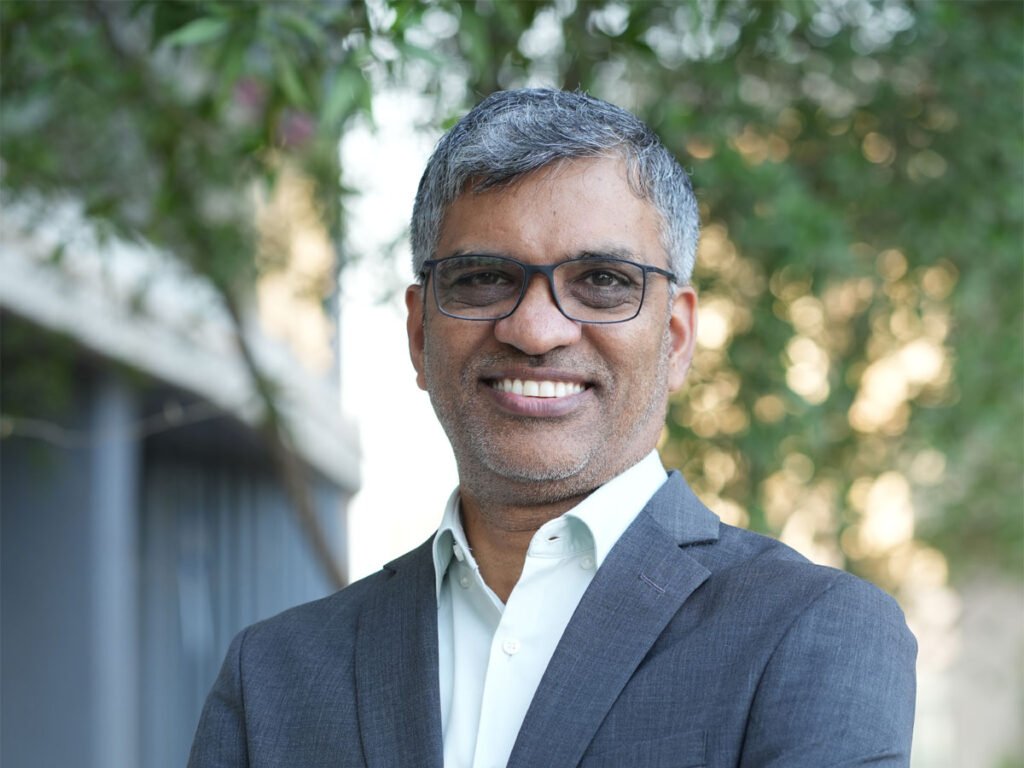
Mahesh Ramanujam is President & CEO at Global Network for Zero.