Climate crisis is a reality unfolding at a global scale in front of our eyes in real time. In between this, the world leaders are gathering at COP30 in Belem, Brazil, to discuss possible solutions to combat this crisis. What is critical is not only for discussion and commitments to happen, but to shape them into concrete outcomes. The Brazilian presidency sets a clear tone: this conference is about implementation, inclusion and delivery, especially for the Global South.
For India this is a timely chance. Our country has reached a total installed renewable energy capacity of 220.10 GW as of 31 March 2025, with a record addition of about 29.52 GW in the year. Solar capacity crossed 100 GW with wind capacity crossing 50GW.
These numbers are a reflection of ambition and goals set with clear focus on implementation and execution. The scale and speed of growth, coupled with the country’s leadership in technology development and deployment for masses position India as a potential leader for the Global South. India has truly showcased that sustainability and growth are achievable without one having to be sacrificed for the other.
There are three interlinked areas where India’s leadership can really make a difference.
1. Scaling deployment and ensuring access. India’s deployment of utility-scale solar and wind along with rooftop and hybrid solutions is advancing rapidly. The fact that distributed rooftop solar has reached 17 GW signals that renewable energy can reach millions of individual households, not only large projects. That is a message peers in Africa and South Asia will welcome.
2. Strengthening the industrial value chain. It is one thing to install renewables. It is another to build the manufacturing ecosystem behind them. India’s progress in solar manufacturing capacity—doubling modules, tripling upstream cell capacity in recent periods—means we are building domestic capability. This means jobs, exports and resilience. It also means other developing nations have a model to adapt when they shift to clean energy.
3. Shaping climate finance and South-South cooperation. At COP30 the focus is on implementation of the results from the first Global Stocktake, via the COP30 Action Agenda. The Action Agenda lays out six thematic pillars (mitigation, adaptation, finance, technology, capacity-building and inclusive development) and 30 key objectives for this next phase. India can lend its voice and experience to help ensure that finance and technology flows reach the countries and communities that need them most.
India’s voice is especially important when we consider that many countries in the Global South face the twin burden of rising development needs and climate risk. Our journey shows that growth need not be sacrificed for decarbonisation. But what matters now is accelerating the pace and putting in place the institutional scaffolding: grid flexibility, storage, just transition frameworks, skills development, and inclusive livelihoods.
In practical terms India should press for three things at COP30:
- A financing architecture that de-risks private capital flowing into emerging economies.
- Transfer and localisation of technology, especially for storage, hybrid systems and green hydrogen.
- Strengthening of multilevel governance—ensuring that states, cities, industry and rural communities are all in the delivery loop.
The agenda of COP30 reinforces these priorities. The Action Agenda itself is designed to mobilise actors from government, finance, business, civil society and local communities, to shift from promise to practice.
This is hopeful. India has shown the way. Now the question is not whether we can transform but how fast, and how inclusive that transformation will be. At Belém, India has the chance to show that sustainable growth and climate leadership are not incompatible. For the Global South, that matters a great deal.
The world is watching. Let us make our role count.
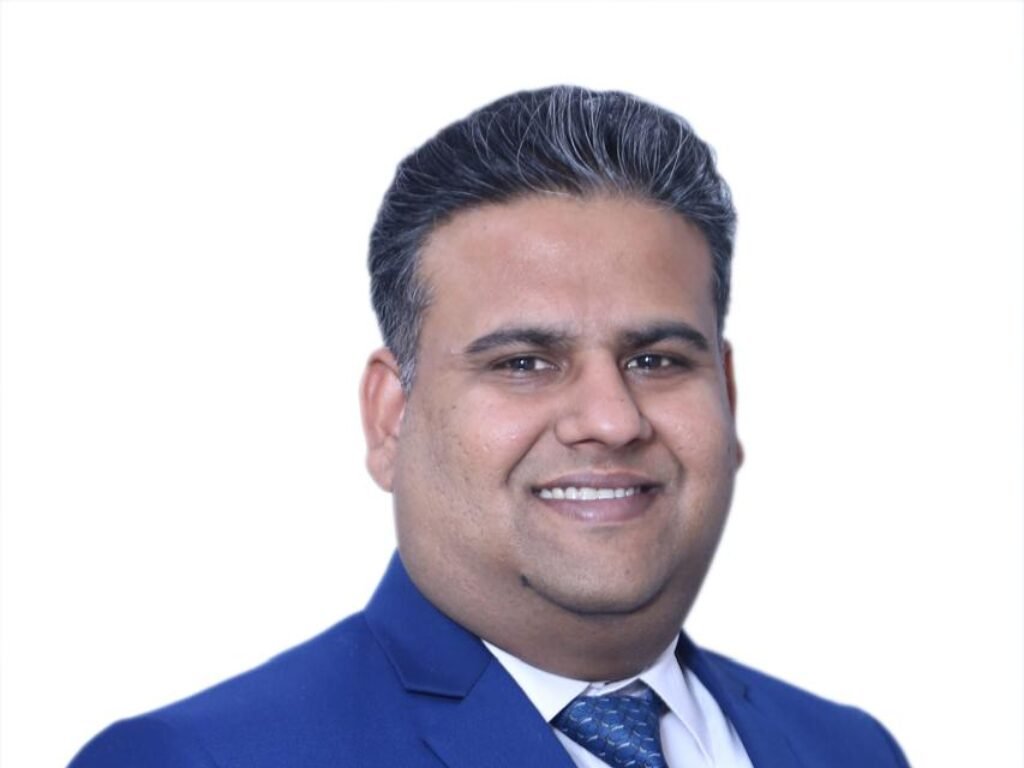
Piyush Goyal is CEO & Co-Founder of Volks Energie.