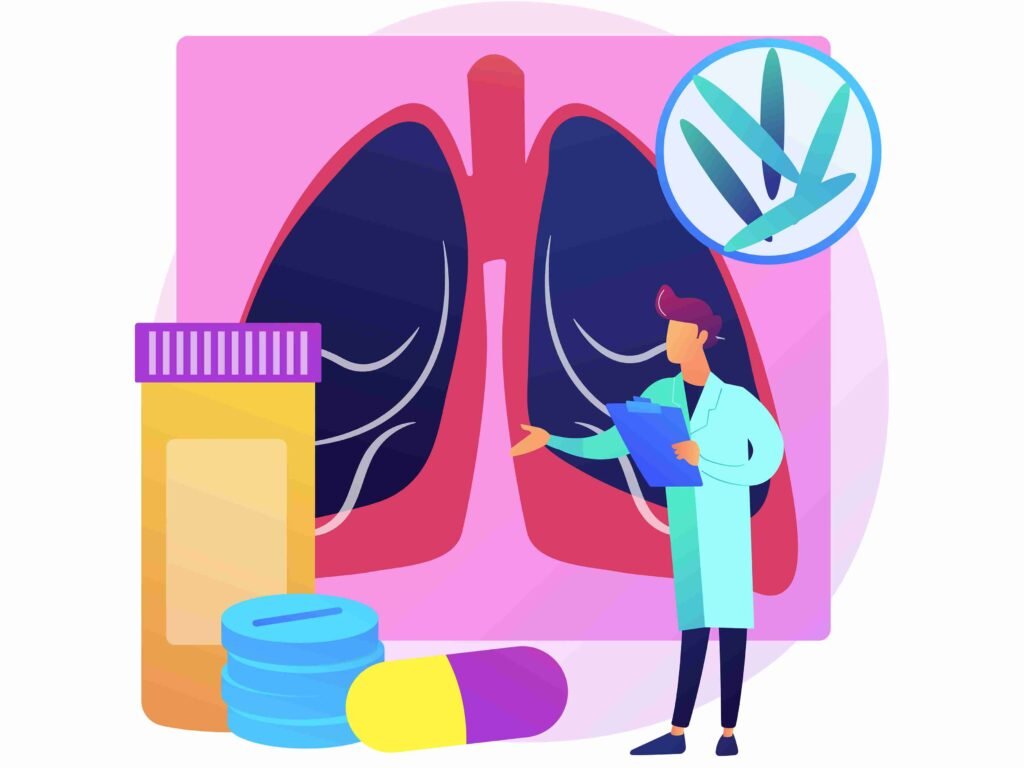
India has intensified its national campaign against tuberculosis through a strengthened TB Mukt Bharat Abhiyan, introducing wider screening measures, advanced diagnostic testing and expanded nutrition support for patients. The initiative, implemented under the National Health Mission, aims to accelerate progress towards eliminating tuberculosis across the country by improving early detection, reducing TB-related deaths and preventing new infections. A renewed, multi-layered strategy places a strong focus on vulnerable communities, comprehensive diagnostics and supportive care throughout treatment.
A key component of the updated programme is the emphasis on identifying high-risk groups and undertaking systematic screening, including the use of chest X-rays and upfront Nucleic Acid Amplification Tests (NAAT) for all presumed TB cases. This approach is designed to detect infection earlier, allow prompt initiation of treatment and reduce the likelihood of severe disease. Differentiated TB care models have also been expanded to meet the needs of patients with complex risk factors, ensuring more personalised support and closer monitoring.
The Ni-kshay portal continues to serve as a central platform for registering and tracking TB patients nationwide. Its digital tools support timely data entry, treatment monitoring and coordinated responses between health teams. In addition to clinical care, the Government has strengthened community engagement by involving grassroots institutions and support networks. Ayushman Arogya Mandirs now provide a comprehensive primary care package that includes TB awareness, screening guidance and counselling for affected families. Public awareness efforts have grown through sustained Information, Education and Communication campaigns, aimed at helping citizens recognise symptoms, understand preventive measures and seek timely medical help.
The Government has also significantly increased financial support for TB patients. From November 2024, the monthly assistance provided under the Ni-kshay Poshan Yojana rose from ₹500 to ₹1,000. This enhanced support is intended to promote better nutrition during treatment, a crucial factor in reducing vulnerability and aiding recovery. Since April 2018, the scheme has delivered ₹4,322 crore to 1.35 crore TB patients, demonstrating a strong commitment to sustained care.
Complementing this effort is the Ni-kshay Mitra Initiative, launched to encourage community and institutional support for TB-affected households. Since September 2022, more than 45.66 lakh food baskets have been provided to 20.3 lakh beneficiaries. This system of locally coordinated assistance draws participation from organisations such as schools, Panchayati Raj Institutions, Self Help Groups, Anganwadi centres and various civil society groups. Their involvement reinforces public participation in the elimination mission, promoting shared responsibility and stronger local health networks.
The expanded strategy recognises the importance of preventive care not only for active patients but also for their families and close contacts. Preventive treatment is now offered to eligible household members and vulnerable groups to stop the progression of latent infection. By combining early detection, reliable treatment, nutritional assistance and community-driven awareness, the programme aims to build a more resilient public health response.
India’s renewed TB elimination measures underscore the country’s ongoing commitment to strengthening its healthcare system and addressing one of its most persistent health challenges. The comprehensive nature of the TB Mukt Bharat Abhiyan positions it as a critical national effort, blending advanced diagnostics, digital tracking, social support and public engagement. With improved resources and broader collaboration, the country aims to move closer to its target of ending TB and ensuring better health outcomes for millions.