The Amazon is once again reminding us of what is truly at stake. The region’s vast ecosystem is not just a symbol of natural beauty but a source of life that sustains the planet. This year the message from COP30 at Belém must be unambiguous.
And for the technology and consumer durables sector, this is a defining moment to lead with purpose. Technology has always been the engine of progress. Yet progress without responsibility cannot sustain. Sustainability today is not a choice, it is the foundation of innovation and long-term growth. Expectations are high at COP30. We need to give ambition a structure and that too a sustainable one. The world needs agreements that push nations and industries toward genuine and collective transformation.
Countries must now advance stronger and more binding climate commitments that align with the 1.5-degree target. These commitments should no longer remain confined to declarations. They must become actionable frameworks that drive investment in renewable systems and green technologies. When national policies are clear and consistent, industries gain the confidence to innovate and invest at scale.
Turning Progress into Action
COP30 must mark the moment when the world shifts from reflection to execution. The Global Stocktake offers a chance to design a real roadmap for the next decade, where ambition meets accountability. Incremental steps will not bridge the gap between goals and results. Governments and businesses must work as one, blending policy strength with innovation. Alongside this, climate finance must evolve to support all nations equitably. Predictable funding, transparent systems and private capital through green bonds and innovation partnerships can ensure that the energy transition becomes a shared global movement, not a privilege of the few.
For the technology sector, this evolving global narrative is both a challenge and an invitation. The next generation of products will be evaluated not only for their performance but for their environmental integrity. Energy-efficient appliances, recyclable materials and zero-waste manufacturing will soon define industry leadership. Innovation can no longer exist in isolation from sustainability. It must represent it.
Accountability and Innovation Must Move Together
Corporate responsibility has entered an era where conviction matters more than convenience. The age of symbolic sustainability is over. In the years ahead, companies will be held to far stricter standards of disclosure. With every metric on emissions, energy use and supply chain integrity will be open to scrutiny. Those who respond with foresight and build strong systems for transparent governance will lead. True leadership will belong to organisations that treat transparency as a principle of integrity and not merely a procedural task. Accountability is no longer a choice, it is the currency of trust.
Technology will be the engine that powers this transformation. Artificial intelligence, advanced analytics and connected ecosystems now carry the potential to redefine how industries conserve resources and control waste. Intelligent grids, predictive maintenance and automated monitoring will reshape efficiency from the ground up.
Yet genuine leadership demands that technology also examines its own reflection. The sector must confront its carbon footprint with honesty and find solutions for it. Manufacturing, logistics and digital infrastructure need to evolve toward renewable energy and circular design models that actually eliminate waste at the source. The aim here is not just to compensate for emissions after they occur but to design systems that prevent them altogether. Progress will only be defined by how intelligently we build, how responsibly we operate and how deeply we commit to regeneration.
In Essence
COP30 is not merely another milestone in the climate dialogue. It is a decisive moment that will determine how seriously the world aligns innovation with environmental responsibility. The decisions made in Belém will influence industries for decades. The question before us is not whether technology can enable sustainability, but whether we will choose to make sustainability the very measure of progress. True leadership will be defined not by the declarations we make but by the transformations we deliver.
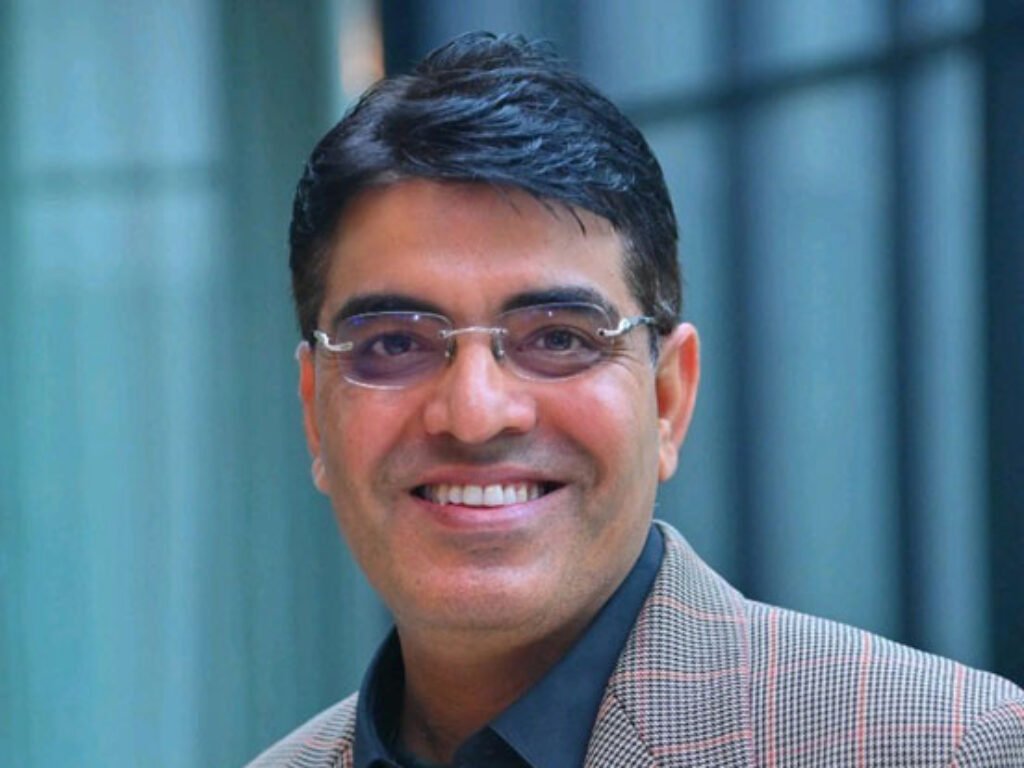
Pankaj Rana is CEO at Hisense India.