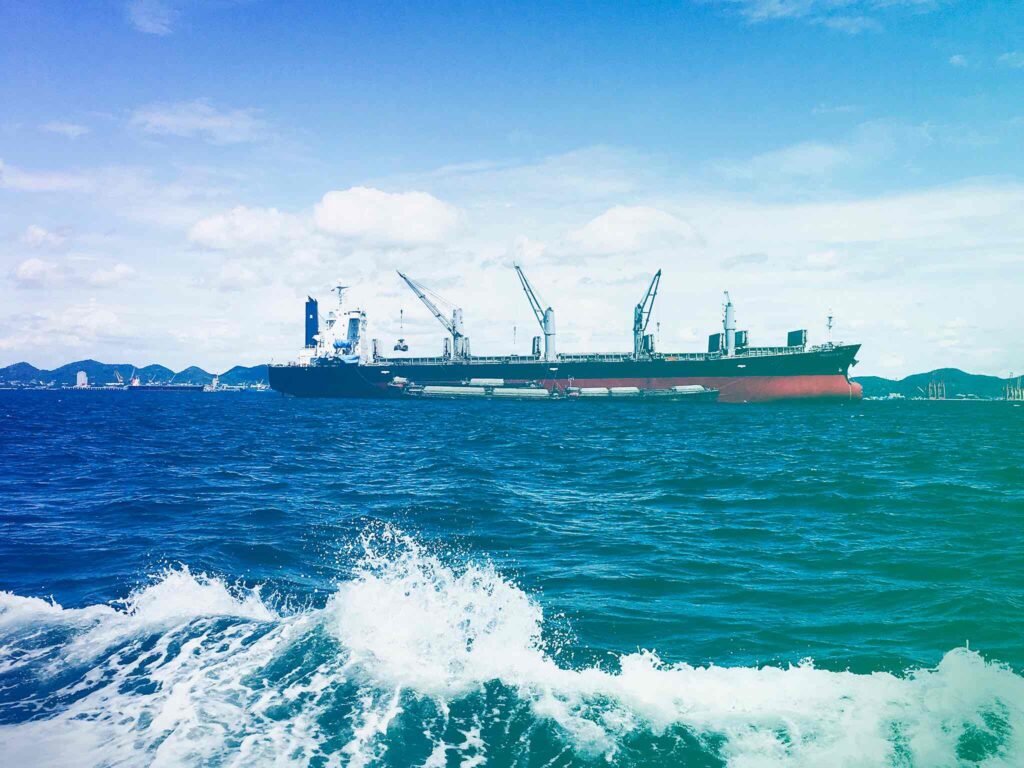
India is accelerating its transition towards a sustainable maritime economy, aligning port-led development with climate action, cleaner energy and global environmental standards. As ports handle nearly 95 per cent of India’s external trade by volume, the sector has emerged as a critical focus area for reducing emissions while supporting economic growth.
Major ports handled 855 million tonnes of cargo in FY 2024–25, up from 581 million tonnes in FY 2014–15, reflecting over 47 per cent growth in a decade. While this expansion strengthens India’s logistics and trade capacity, it has also intensified environmental pressures on coastal ecosystems, marine biodiversity and air and water quality.
To address these challenges, the government has introduced a stronger policy framework through the Indian Ports Act, 2025, replacing the outdated Ports Act of 1908. The new legislation institutionalises cleaner, greener maritime operations, strengthens pollution control and disaster preparedness, and aligns port activities with global conventions such as MARPOL and ballast water management norms.
The Maritime India Vision 2030 and the long-term Maritime Amrit Kaal Vision 2047 together provide a roadmap for a safe, sustainable and globally competitive maritime sector. These strategies prioritise renewable energy adoption, emission reduction, efficient water use, solid waste management, safety reforms and digital monitoring systems across ports.
The Harit Sagar Green Port Guidelines 2023 operationalise these goals by setting clear targets. Ports are mandated to cut carbon emissions per tonne of cargo by 30 per cent by 2030, raise renewable energy usage beyond 60 per cent, electrify port equipment and expand green cover. New Mangalore Port has already achieved 100 per cent solar power integration, emerging as a national benchmark.
Across the country, ports are installing rooftop, ground-mounted and floating solar plants, adopting wind energy, expanding LNG bunkering and introducing shore-to-ship power supply to reduce vessel emissions at berth. Electrification of cranes, loaders and vehicles is also gaining pace to improve air quality and operational efficiency.
Water conservation and biodiversity protection are being strengthened through wastewater reuse, reduced freshwater consumption, oil-spill preparedness, mangrove expansion and recycling of dredged material for construction and shoreline protection. Improved solid waste management systems are being aligned with national green shipping and cleanliness missions.
Flagship initiatives such as the Sagarmala Programme, Green Tug Transition Programme, Harit Nauka for inland vessels and the National Green Hydrogen Mission are reinforcing decarbonisation across ports and shipping. Key ports including Kandla, Paradip and Tuticorin are being developed as green hydrogen hubs, while Indian shipping companies are preparing vessels to run on alternative fuels such as green methanol.
India is also deepening international cooperation through green maritime partnerships with countries including Denmark, Singapore, the Netherlands and Norway, focusing on low-emission fuels, digital shipping corridors and sustainable port development.
With policy reforms, rising investments and global collaboration, India’s maritime sector is positioning itself as a driver of sustainable growth—supporting trade and employment while safeguarding coastal ecosystems and advancing long-term climate resilience.