For decades, the annual COP summits have served as crucial milestones in the global journey to address the climate crisis. From shaping consensus on emissions targets to enabling multilateral agreements on adaptation, finance, and technology, these gatherings have consistently pushed the world toward collective climate responsibility.
While discussions around energy, finance and land use continue to be essential, COP30 in Brazil has an opportunity to widen the lens, and push the plastic crisis further up the agenda. They are deeply entwined with climate outcomes, public health, and ecological justice. From their fossil-fuel-intensive production processes to the long-term emissions they generate post-disposal, plastics span the entire value chain of planetary harm.
What was once perceived primarily as a waste management issue has now evolved into one of the defining material challenges of our time.
Plastic pollution has become a rapidly escalating global crisis, with annual production exceeding 400 million tonnes and microplastics now pervasive in remote environments and human bodies. Developing economies, including India, which generates over 9 million tonnes of plastic waste annually, face the compounded challenge of high consumption and insufficient infrastructure, leading to widespread environmental contamination, toxic practices, and significant greenhousegasemissions that undermine climate targets. This underscores that the problem is a deep, systemic threat to water, soil, air, and human health, demanding comprehensive solutions that look beyond traditional measures like bans and recycling to address the full scope of the issue.
Beyond Bans & Recycling Mandates
A durable solution will require a reimagination of the materials themselves, backed by bold investments in R&D, biotechnology, material science, and circular design. The future lies in scalable, biodegradable, nature-derived alternatives that can functionally and affordably replace plastics across industries.
To catalyse this shift, COP 30 must elevate material innovation as a core pillar of climate action. Governments, research institutions, and private innovators need targeted incentives to accelerate the development of biopolymers and meta-materials that not only reduce emissions but eliminate waste altogether. A global R&D alliance for sustainable materials, for instance, could unlock unprecedented impact by pooling resources, data, and talent across borders.
Upstream Interventions: Production Caps and Design Standards
To truly stem the tide, we must move upstream, which includes limiting virgin plastic production, capping fossil-based plastic output, and embedding Extended Producer Responsibility (EPR) at scale. COP 30’s thematic pillars, mitigation and technology specifically, must explicitly prioritize these approaches.
A strong push for harmonized eco-design standards that reward drop-in alternatives compatible with current manufacturing systems, will make adoption frictionless for industries, encouraging transformation without disruption. These efforts must be backed by enforceable standards, global certifications, and policy tools that discourage greenwashing and reward verifiable impact.
A Global Problem With a Global Solution
Solving the plastic crisis requires a united, equitable global front. No single country can succeed alone, making collaboration between the UN Global Plastics Treaty process and COP 30 essential. This unified effort must integrate the full lifecycle of plastics into climate agreements ensuring that technology transfer and support for local innovation empower the communities most impacted. As COP 30 gathers global leaders, it provides a critical opportunity to reimagine the future of materials entirely. The solutions for a world where plastic dependency is obsolete already exist. We need to summon the collective will to act upstream, invest boldly in innovation, and collaborate across borders. This is the moment for the world to permanently shift the narrative on plastics, turning a defining problem into a profound global possibility.
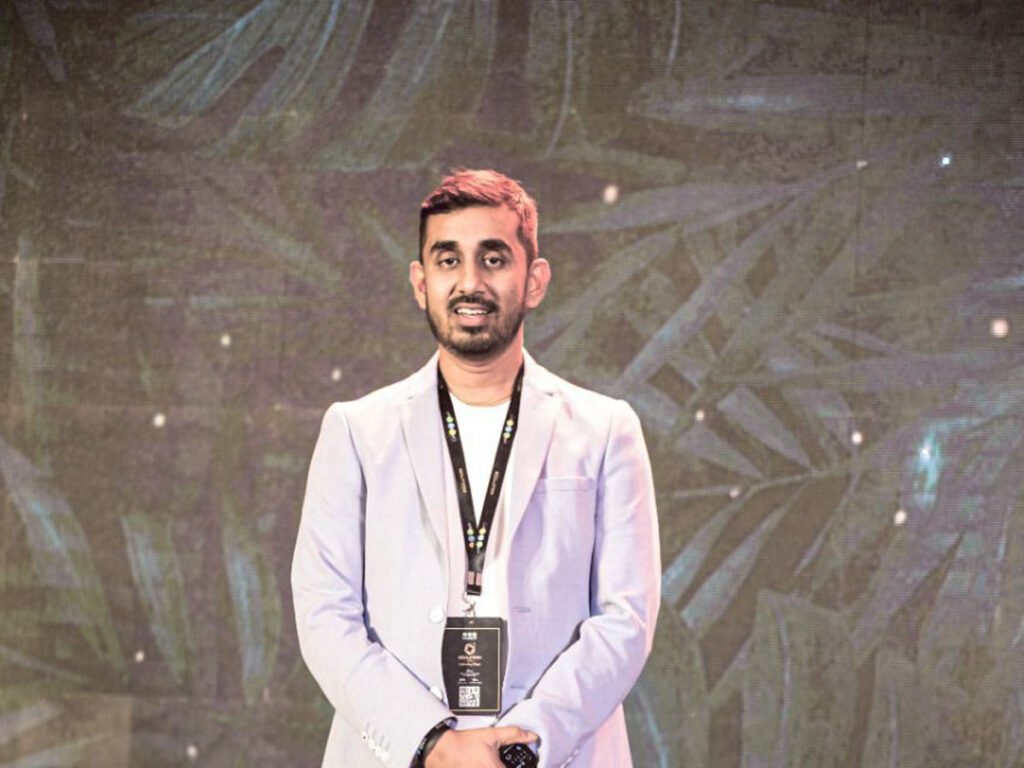
Vaibhav Anant is Founder & CEO of Bambrew.