The global sustainability movement stands at a decisive moment. The call for industries to accelerate their transition to net-zero emissions has never been stronger. Climate commitments are shifting from pledges to proof, and the coming years will reveal how effectively businesses can align growth with responsibility and innovation with impact.
Nowhere is this transformation more vital than in manufacturing. India’s manufacturing sector contributed about 14% of GDP in FY2024 and is projected to rise to 21% by 2034. As the backbone of most economies, manufacturing drives employment and progress while remaining central to global and national decarbonisation efforts.
In India, for example, green electrification and renewable energy adoption in manufacturing could reduce projected CO₂ emissions by around 17% by 2030. The task now is to reimagine industrial growth through the lens of sustainability, creating value for both business and the planet.
For our industry, this is an opportunity to lead by example — to demonstrate that true leadership lies in driving sustainability and innovation hand in hand. Sustainable manufacturing is no longer a compliance measure but a strategic imperative — one that promotes efficiency, resource stewardship, and circular-economy practices.
The Transition to Low-carbon Manufacturing
A systemic change in the way products are created, produced, and distributed is necessary to achieve net zero. Decarbonising production processes is the first step in this transformation, especially in energy-intensive industries like glass manufacturing. Key actions include transitioning to renewable energy sources, moving away from fossil fuel-based furnaces, and incorporating advanced, energy-efficient manufacturing technologies on the plant floor.
Ensuring material efficiency is equally important. By increasing the use of recycled content, manufacturers can significantly reduce the energy demand associated with raw material extraction and processing. For example, in glass production, using cullet not only cuts energy consumption but also reduces carbon emissions.
Embedding Circularity and Waste Reduction
Waste management is central to the sustainability narrative. As industries scale up production, the need to minimise waste generation and enhance resource recovery becomes vital. A well-structured waste management system — one that prioritises segregation, recycling, and responsible disposal — forms the foundation of sustainable manufacturing.
However, true progress lies in designing products and systems that prevent waste at the source. This means rethinking product design, promoting recyclability, and ensuring that manufacturing residues can be reintroduced into the production cycle. Such an approach aligns with the broader circular economy framework, where waste is treated not as a by-product but as a resource for renewed value creation.
At the same time, collaboration across the value chain is essential. Governments, industry bodies, and consumers all have a role to play in fostering a culture of shared responsibility. Regulatory frameworks that incentivise recycling and innovation can help accelerate this transition, while public awareness drives the behavioural change necessary for large-scale adoption.
Building Towards Net Zero
Achieving net-zero emissions requires setting measurable targets, integrating sustainability into business strategy, and maintaining transparency in progress reporting. Companies must evaluate their entire value chains — from sourcing and production to logistics and end-of-life management — to identify opportunities for carbon reduction.
Digitalisation also plays a crucial role in this transformation. Advanced analytics and automation enable manufacturers to monitor energy use, optimise operations, and make informed decisions that balance efficiency with environmental responsibility. The integration of data-driven insights enhances both performance and accountability.
Shared Responsibility for Sustainable Future
The journey to net zero is not without its challenges. It demands investment, innovation, and long-term commitment. Yet, it also offers immense opportunity to redefine growth in a manner that supports both economic resilience and ecological balance.
As COP30, the global dialogue around sustainability must translate into decisive, collective action. Businesses that embed sustainability at the heart of their operations will not only future-proof themselves against regulatory and resource risks but also contribute meaningfully to the planet’s well-being.
Sustainable manufacturing is, ultimately, about stewardship. It is about responsible use of resources today to ensure that future generations inherit a healthier, more balanced world. Through collaboration, innovation, and a steadfast commitment to circularity, industries can pave the way toward a truly net-zero future.
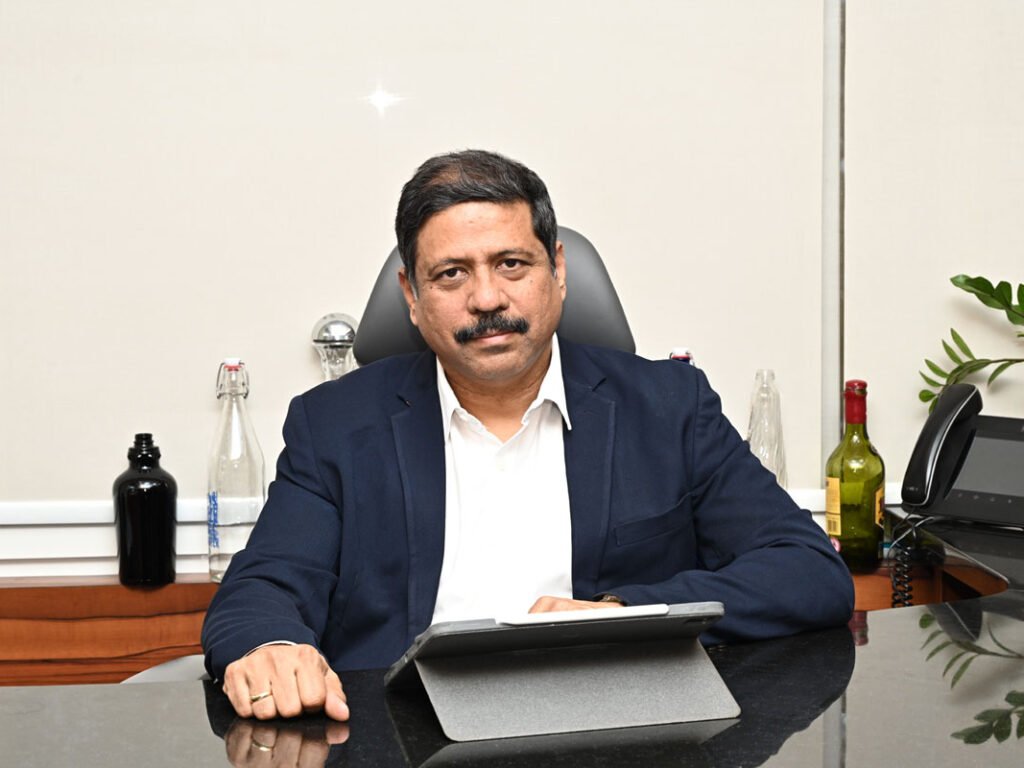
Rajesh Khosla is CEO at AGI Greenpac Limited.