As the COP30 begins, one truth is clear: the defining task for humanity is to transition to renewable energy. This is no longer a niche ambition; it is a global imperative. Climate resilience, energy security, and inclusive development all depend on how swiftly and equitably we move away from fossil fuels.
While utility-scale renewable projects are essential, the next wave of transformation will be driven by decentralised energy innovations; solutions that are agile, adaptable, and capable of reaching communities, sectors, and geographies that centralised systems often overlook or underserve.
Why Decentralisation Matters
Centralised energy systems, though efficient at scale, often lack the flexibility to meet the diverse, localised, and rapidly evolving energy needs of modern societies; whether in dense urban centres, peri-urban zones, industrial clusters, or remote rural regions. In contrast, decentralised renewable energy (DRE) solutions, such as rooftop solar, solar minigrids, and hybrid micro-systems offer a powerful complement to national grids. These are:
- Faster to deploy
- More resilient to climate shock
- Tailored to local and sector-specific needs
- Catalyse development across health, education, agriculture, and industry
Cross-Sectoral Impact of Decentralised Energy
Decentralised energy is not just about access; it’s about transformation. Across the globe, DRE is enabling progress in critical sectors like:
Healthcare: Solar-powered systems ensure uninterrupted electricity for hospitals and clinics, powering cold chains, diagnostic equipment, and life-saving devices. This leads to improved maternal care, vaccine storage and emergency response.
Telecommunications: Clean energy is replacing diesel at telecom towers, ensuring reliable connectivity in urban and rural areas; vital for digital inclusion, remote education, and emergency communications.
C&I’s Small Enterprises: Decentralised solar helps SMEs reduce energy costs, improve productivity, and lower emissions, especially where grid power is unreliable or expensive.
Education and Public Services: Schools, community centres, and government offices are increasingly adopting decentralised systems to ensure consistent operations and reduce costs.
A Global Challenge, A Local Opportunity
Many countries, including India, are demonstrating how decentralised energy bridges the gap between national ambitions and local realities. These systems are not peripheral; they are central to a resilient, inclusive energy future. They empower communities, reduce fossil fuel dependency, and create local jobs.
What COP30 Must Deliver
To unlock the full potential of decentralised energy, COP30 must act decisively:
- Mainstream decentralised renewables in global energy strategies
- Recognise DRE as core to national energy plans; not just a rural or interim solution
- Enable investment and affordability
- Create frameworks that de-risk investment, reduce capital costs, and promote affordability
- Foster Innovation and Interoperability
While solar generation has matured, the next leap lies in storage, smart grids, and demand-side management. Modular and interoperable platforms must be supported to adapt to diverse geographies and use cases to:
- Promote policy coherence and integration
- Regulatory frameworks must treat decentralised energy as essential infrastructure, integrated into electrification, climate resilience, and development agendas
- Embed DRE in climate finance and carbon accounting
- Off-grid and distributed solutions must qualify for climate finance, adaptation funding, and carbon credit mechanisms. They are scalable, sustainable, and essential to net-zero targets.
A Call to Action
Let COP30 be the summit that redefines the energy transition; not just as a technological shift, but as a human-centred transformation. Decentralised innovations offer a unique opportunity to build a future that is greener, more inclusive, resilient, and equitable.
The time for pilots is over. What we need now is systemic support, bold commitments, and integrated frameworks that recognise the full potential of decentralised energy to power progress –everywhere.
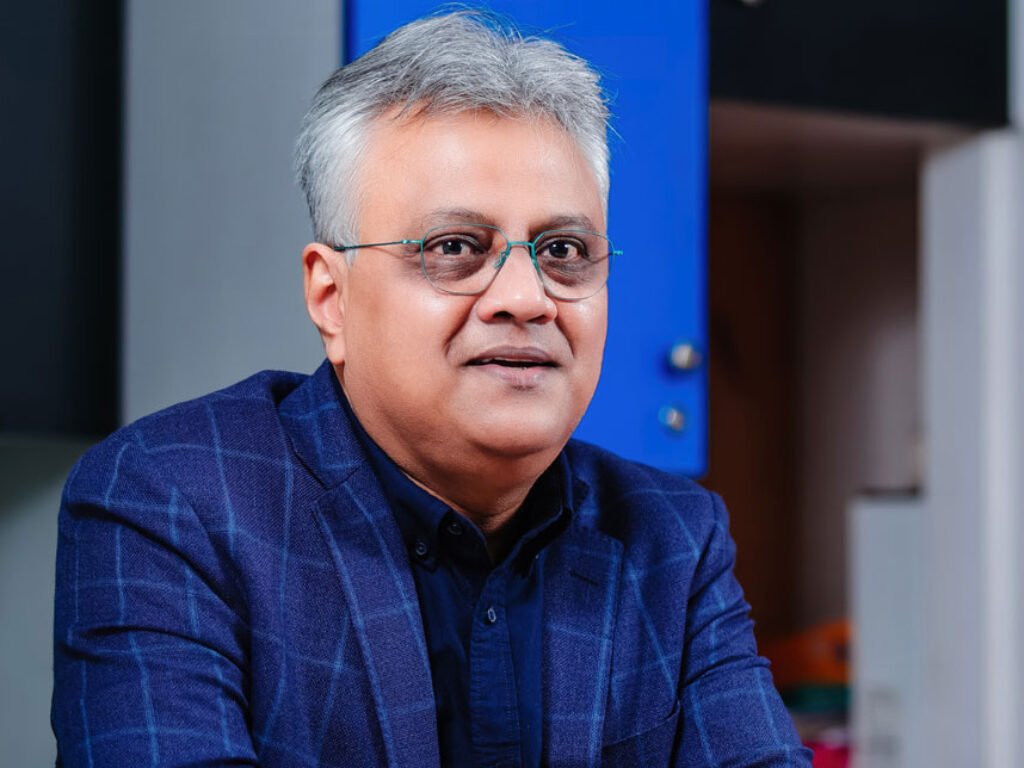
Rohit Chandra is Co-Founder & CEO of OMC Power.